What a livery listing should look like.
Structured turnout, transparent pricing, dated accuracy and reviews tied to lived experience. The listing format itself, built so “turnout: yes” isn’t a sentence anyone can write.
A real yard’s listing chrome — hero, key facts, structured turnout, pricing transparency, facility chips. The same blocks render on every published yard’s page; this one is shown without the live data fetch.

Hollybrook Stables
from £650/mo
18–24h · paired
10–14h · paired, rotated
Sandy & chalk · hardstanding gateways
- Hay & haylage
- Bedding (shavings)
- Muck heap removal
- Arena & lighting
- Worming programme(extra)
- Yard-mandated farrier(extra)
Free-text listings let yards make claims nobody can compare.
The grammar of a UK livery listing has barely changed in twenty years: a paragraph of prose, a price, a phone number. Every yard answers in their own words, with their own definition of “generous turnout” and “everything you need.” To compare two yards you have to read two different languages and pretend they were written about the same thing.
“Yards often say ‘the worst wet weather’ etc and turns out at the moment it’s every other day or days on end… I’ve been tricked with that one many times, it’s actually soul destroying.”
We can’t enforce a yard’s claim. We can make every claim the same shape, dated, held to the same form — so a horse owner has a written reference point and a yard owner has a way to show their working.
Eight blocks. Same shape on every yard.
Each block is structured, dated, and filterable. The yard fills it in once; the search card, the detail page, and the filter all read from the same answer.
Hero & key facts
Photo, location, livery types, price-from. The one-glance triage strip — enough to rule a yard in or out before reading a sentence of body copy.
Structured turnout
Nine fields a horse owner can compare side-by-side — hours, group, soil, mud management, more. Full feature page →
Pricing transparency
What's included, what's extra. Hay, bedding, muck heap, farrier choice. The hidden surcharges that wipe out a £40-a-month saving, surfaced before the deposit clears.
Facility chips
Arena, walker, wash box, lighting, hacking access, on-site instructor. Filterable codes — what is on the listing is what is on the yard.
Accuracy score
The percentage of fields filled, dated, re-confirmed, plus a check count. 92% / 7 checks is a curated listing; 50% / 1 check is one a yard touched once and walked away.
Reviews & responses
Reviews come from horse owners who actually moved in. Yard owners on Pro can respond inline — both sides of the conversation, not a one-sided star count.
Founding-member badge
Pre-launch yards who set the standard. A permanent trust signal — earned, not bought, not tied to a monthly fee. Tells you the yard has been part of the system from day one.
Slot availability
A live count of open spaces, refreshed by the yard. No more messaging twelve places to find the four with a free stable; the listing tells you before you ask.
Triage on the card. Drill down on the listing.
The search card shows just enough to rule a yard in or out. The full listing carries the long form — all nine turnout fields, the “what’s included” pricing block, every facility chip, every review, the live slot count. Same source of truth, two scales of attention.
On the search card — six chips of structured data, one accuracy score, one slot count. Enough to triage twenty yards in an evening.
- Hero photo + name + location + price-from
- Accuracy %, with check count
- Turnout chips: hours, group, soil
- Lead livery type + character chips
- Founding badge (if earned)
- Live slot count
On the listing page — the same data unfolded. Long-form blocks, dated stamps, every chip filterable, every review with a yard response below it.
- Structured turnout — nine fields, with notes
- What’s included / what’s extra — line by line
- Every facility, instructor, hacking access
- Reviews — with yard responses inline
- Updated date stamp on every block
When you want the yards other owners rate most highly at the top, the “Highest rated” sort pulls them straight up.
Why it matters for horse owners
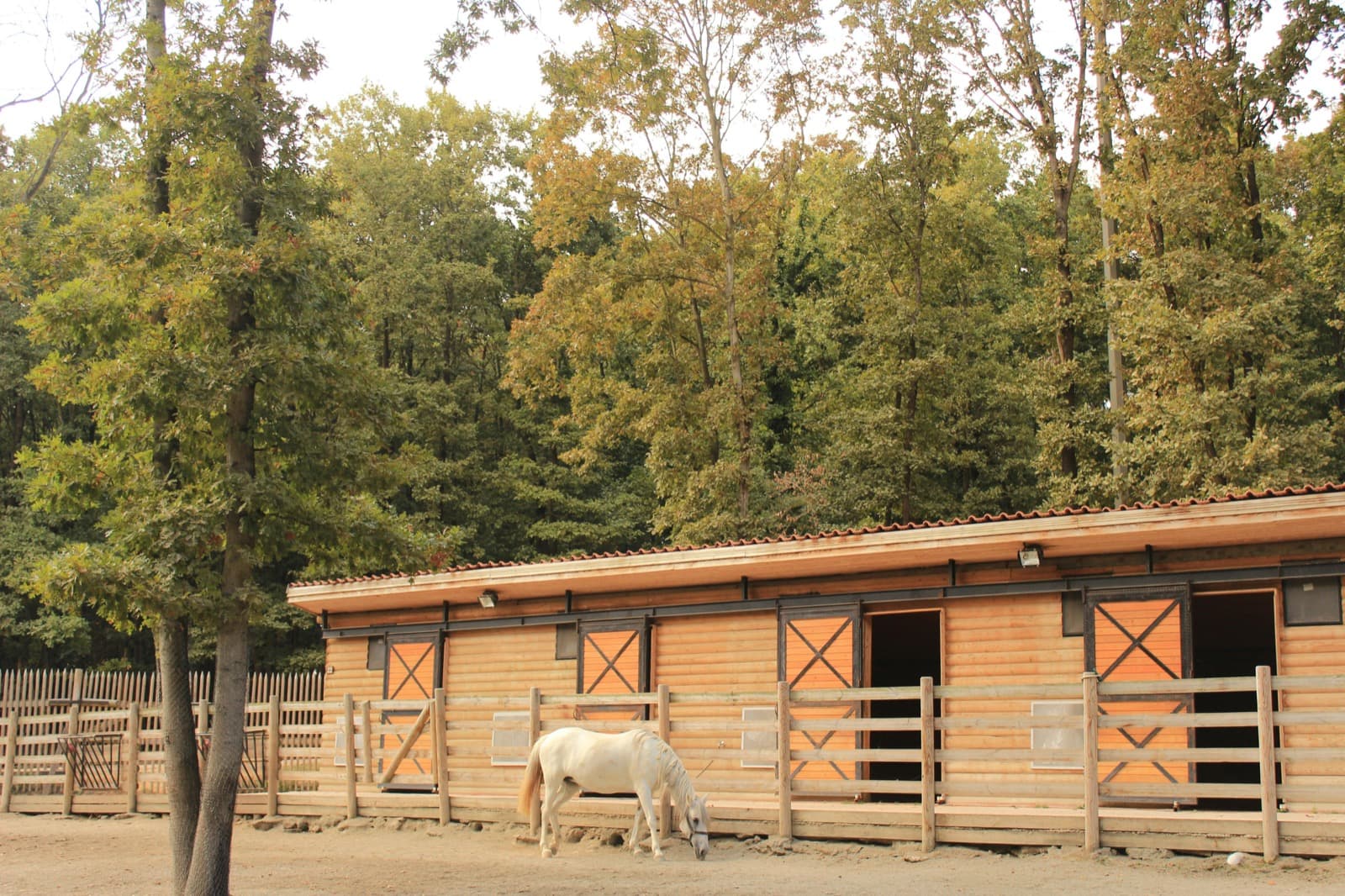
The claim is dated, and you can hold them to it
Every block carries an “Updated” stamp and a check count, sitting right beside the yard’s claim. If reality starts to drift from the listing, you’ve got a written reference point with a date on it. The vague advert doesn’t survive contact with the structured form.
Reviews from people who actually moved in
The forums know the trick: don’t trust the listing, trust the existing liveries. Reviews on OpenStable come from horse owners with an enquiry trail through the platform — people whose horse was actually on the yard. Yards on Pro can respond inline; the conversation lives under the original review, not on a separate Facebook thread that nobody finds.
“You can tell a lot by how the existing liveries interact, how happy the horses are and how people treat you when you turn up unexpectedly.”
Dated fields catch yards that drift
The known degradation pattern: a yard’s standards quietly slip after an ownership or management change. The date stamp on each structured block makes drift visible — a turnout block last touched eighteen months ago isn’t current, whether or not the yard has admitted it.
“Just keep an eye so things do not start changing as YO realises how expensive everything is.”
Why it matters for yard owners
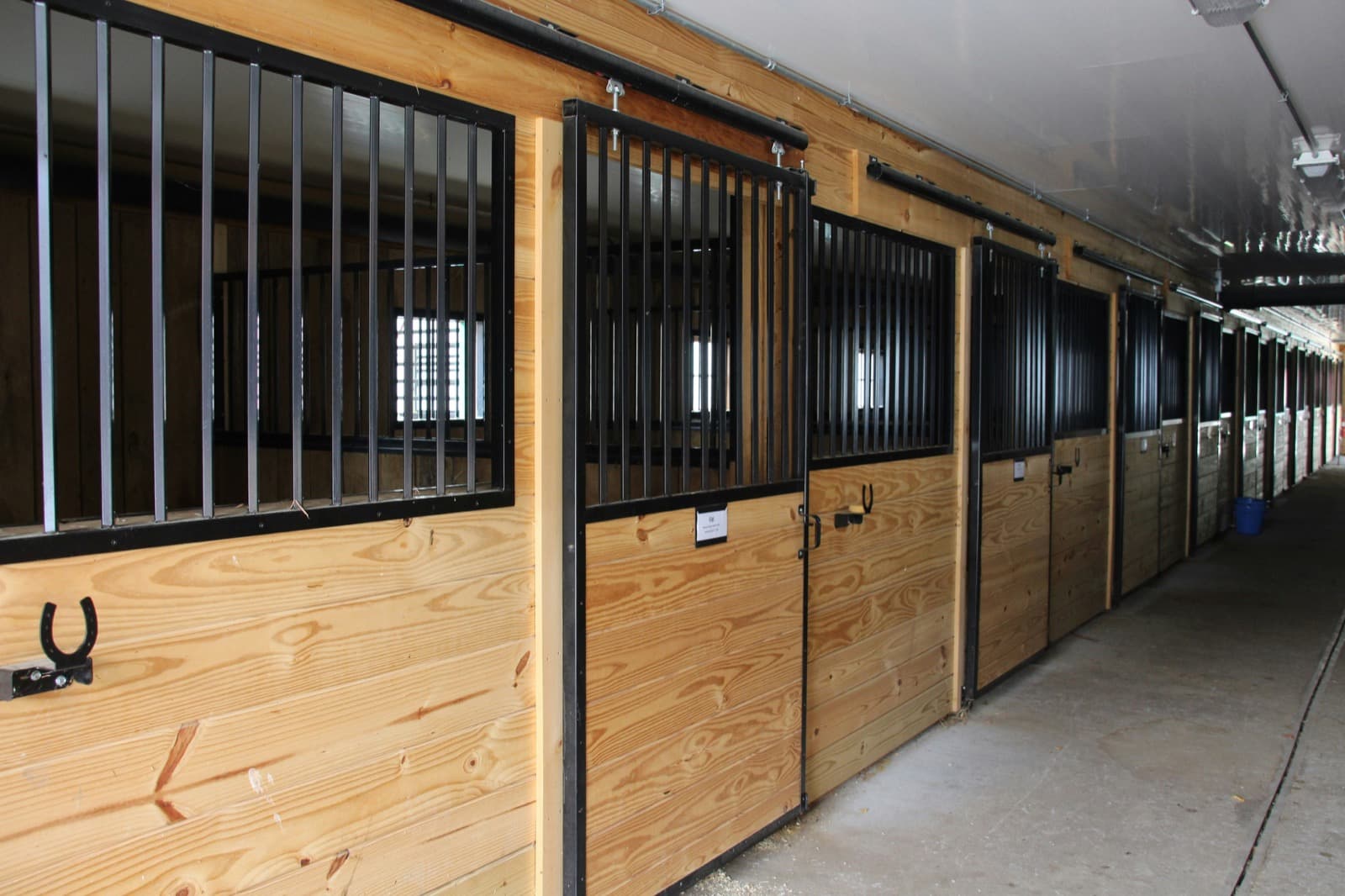
The work you already do, finally on the page
Hardstanding, paddock rotation, drainage, harrowing, daily poo-picking — the labour that keeps turnout viable through a wet British winter is invisible in free-text. As structured chips, it’s the reason a discerning owner picks you over the next yard along:
“Horses go out every day. Good acreage per horse. Good grass coverage and gateways have hard core. Hence no mud.”
Reviews you can respond to, not just absorb
Pro yards get a single inline response per review — room to clarify, correct, or thank, beneath the original. Reviews aren’t deletable for being negative, but a fair response is its own kind of trust signal. The yards that handle a tough review well often convert better than the ones with five gushing five-stars and no comeback.
One source of truth, eight places it lands
Fill in a block once and the answer feeds the search card, the detail page, and the filter that decides whether you appear at all. The Founding-Member badge, once earned, is permanent — it sits beside the yard name on every view.
How to read a yard listing
The blocks are honest signals, but they only mean something read together. A 90% accuracy on a yard last updated last week tells a different story to the same number on a yard that hasn’t touched the form in a year. Read the dates, the check counts, and the response rate alongside the headline numbers.
- Updated date matters. A turnout block touched this season is a stronger commitment than one untouched for eighteen months. Ask the yard whether anything has changed before you commit.
- Accuracy = % filled, with check count. 92% / 7 checks is a curated listing. 50% / 1 check is one they touched once. Use it as a tie-breaker, not a sole filter.
- Response rate is two numbers. How often the yard answers enquiries, and how quickly. A low rate isn’t fatal — some good yards run at capacity and triage hard — but it tells you what the first conversation will feel like.
- Founding-member badge is permanent. Pre-launch yards who set the standard. It signals trust, not active monthly spend.
Frequently asked questions
How does OpenStable verify UK yard listings?
Every listing is owned and edited by the yard themselves — we don't scrape or guess. The accuracy score and check count tell you how often the yard has re-confirmed their data. We don't dispatch an inspector to every site; we make every yard show their working, with dates and field-by-field answers a horse owner can hold them to.
Where does the accuracy score appear on a yard listing?
On the listing detail page, the accuracy score sits beside the structured turnout block and again at the top of the listing summary. The percentage is how much of the form a yard has filled in; the check count is how many times they've re-confirmed those answers. High percentage with a single check is a one-pass listing. A lower percentage with several checks is a yard actively curating the parts they care about. The date stamps on individual blocks tell you which fields the yard has touched most recently.
Can yard owners respond to reviews on OpenStable?
Yes — yards on the Pro tier can post a single response per review, visible inline beneath the original. Every review is also moderable by report (false claims, off-topic, personal attacks) and yards see who left the review where the reviewer has chosen to be public. It's the conversation the forums have been running for years, finally on the page where the yard is being judged.
How are reviews on a livery yard listing moderated?
Reviews are tied to a verified horse-owner account and, where possible, an enquiry the reviewer made through OpenStable — so the people writing them have a paper trail with the yard. Yards can report a review for review (off-topic, personal attack, factual dispute); we read every report. We don't delete reviews for being negative.
Where does the founding-member badge appear on a yard listing?
On the search card, top-left, and on the listing detail page beside the yard name. It's permanent — once earned, the badge doesn't expire when a subscription lapses. The yard's founding-member status is also visible inside the dashboard's settings page so the yard can see it themselves. It signals pre-launch participation in the platform and a willingness to help set the standard for structured listings; it does not boost ranking.
How often do yard owners update their listings?
Yards are nudged seasonally to re-confirm structured fields, especially turnout and slot availability. The 'Updated' date stamp on each block makes the answer visible to a prospective owner: a turnout block re-confirmed this season is a stronger commitment than one untouched for eighteen months. The check-count number tells you how often that re-confirmation has happened over the listing's lifetime.
Is the pricing on UK livery yard listings always up to date?
The headline price-from figure is owned by the yard and re-prompted at each accuracy check. The structured 'what's included / what's extra' block is the more useful number — a £40-a-month saving on the headline often disappears once muck-heap removal, electric-fencing, and arena upkeep are billed separately. The block surfaces those before the deposit clears.
What if a yard's listing doesn't match reality on the ground?
You've got a written, dated reference point. Raise it with the yard first — most discrepancies are honest drift between what the listing was filled in to mean and what the yard ended up doing. If it isn't resolved, leave a review (yards can respond, but they can't delete) and report the listing for accuracy review. The structured fields exist to make this conversation possible at all.
More about how OpenStable works
The end of “turnout: yes.” Browse listings that answer the question.
Whether you’re looking for a yard or running one, the structured listing does the heavy lifting on both sides of the conversation.